What Does It Mean to Lease a Chevrolet?
Leasing is essentially a long-term rental agreement. You make monthly payments to drive a new Chevrolet for a set period—typically 24 to 36 months. Then, you can return it or buy it at the end of the term. You’ll usually see lower monthly payments compared to financing, which means you may be able to drive a better-trimmed model for less per month.
What Does It Mean to Buy a Chevrolet?
Buying—whether with cash or through financing—means you own the vehicle outright once your loan is paid off. Vehicle ownership gives you freedom that leasing does not. You can drive as many miles as you want, customize your Chevy, and build equity over time. When you’re done with the vehicle, you can trade it in or sell it.
Comparing Monthly Costs and Long-Term Value
When weighing monthly costs, leasing almost always wins in the short term. Lease payments are generally lower because you are only paying for the vehicle's depreciation during the lease term rather than its full value. However, when the lease ends, you walk away with no asset.
Buying typically comes with higher monthly payments, but those payments eventually stop. Once your loan is paid off, you own the vehicle free and clear. Over a longer time horizon, buying tends to be the more cost-effective path, especially if you plan to keep the vehicle well beyond the loan term. The car lease benefits are real, but so is the long-term value of ownership.
Which Option Is Right for You?
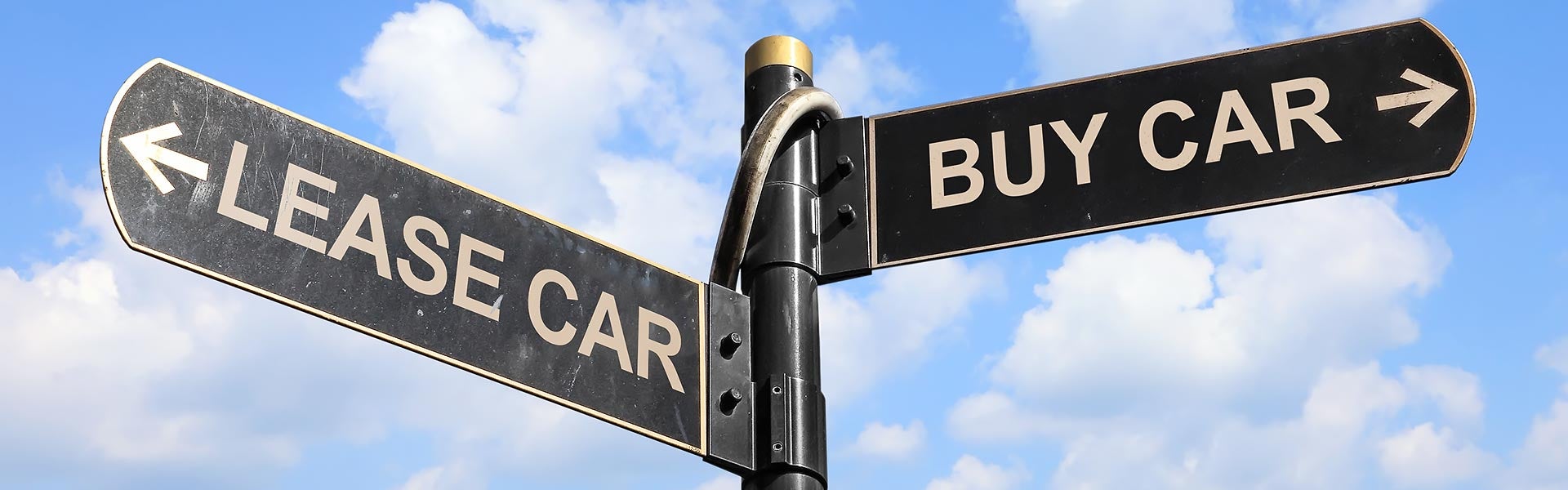
If you love driving a new model every couple of years and prefer lower monthly costs, leasing is worth a close look. Chevrolet's lineup includes lease-friendly vehicles from the budget-conscious Trax to the versatile Traverse, giving you plenty of options. If you put on a lot of miles, need to customize your vehicle, or want to maximize long-term value, buying with one of Chevrolet's flexible financing options may be the smarter choice.